Therapy For Athletes

With Doug Sweaney Herrick, MA, LMHC
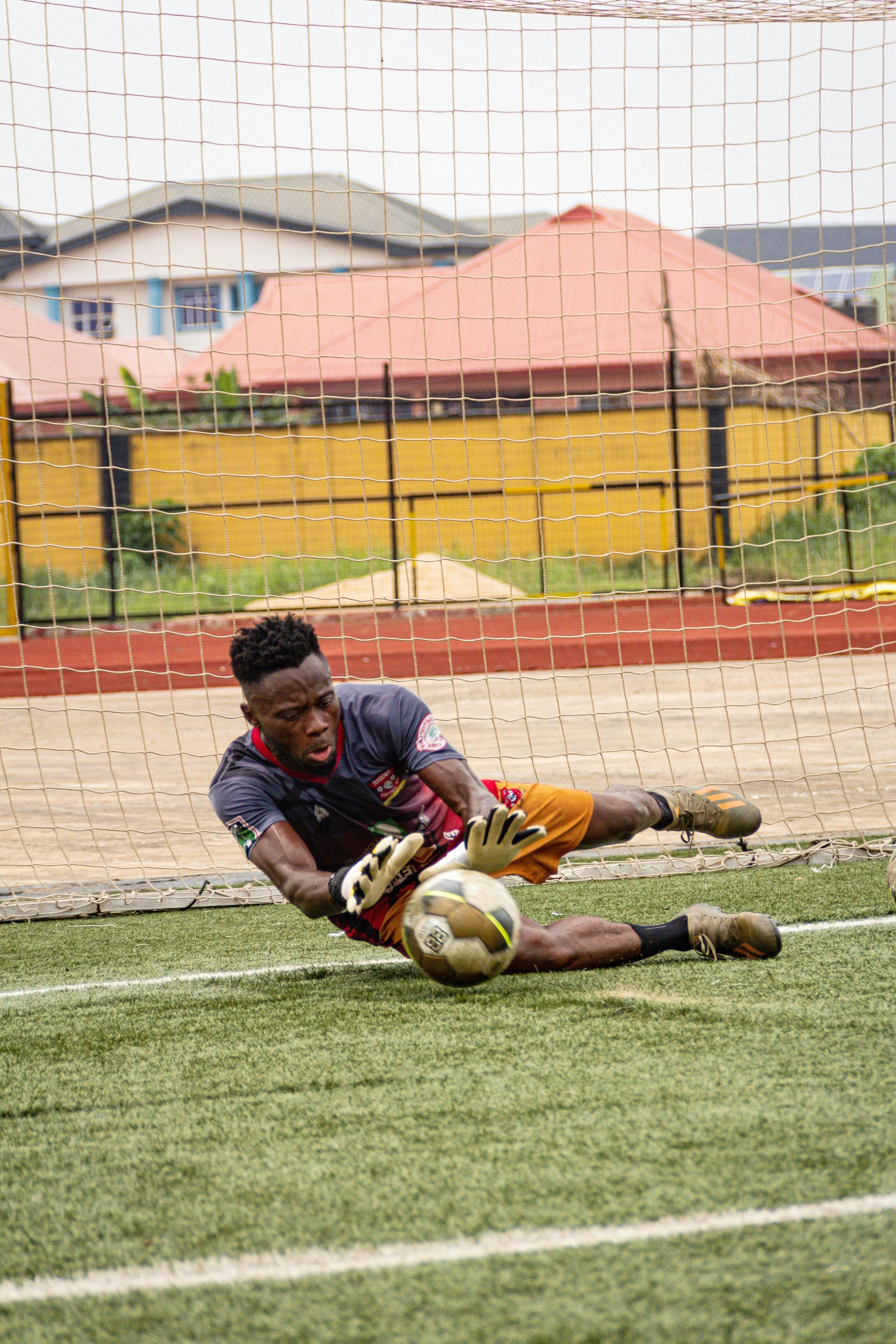
I work with athletes because soccer brought me the full arc of competitive sport—from deep belonging to identity loss.
I understand it both as a therapist and as an athlete.
Are you asking yourself who you are without your sport?
Does it feel like something that once gave you meaning now brings stress, shame, or pressure?
Trying to stay athletic without the structure of a team or competitive sports?
Athletics shape your sense of self. Then if performance dips, injuries happen, or a career ends, it can feel like the ground drops out. Many athletes keep pushing, even when the joy is gone, because stepping away feels impossible. The grief is real, even if no one around you talks about it.
When sports have taught us the value of pushing through limits and discomfort, its hard and vulnerable to reorient.

Athletes Come To Me With
An injury or forced pause
Loss of motivation
Performance anxiety
Retirement grief
Shame + self doubt
Identity in question
Career transition stress
If your sport used to anchor you and now feels complicated or heavy, you’re not alone.

“Whether you stay in your sport
or step into something new, the goal is
to enjoy sports (again).”
What Athlete Therapy With Me Is Like
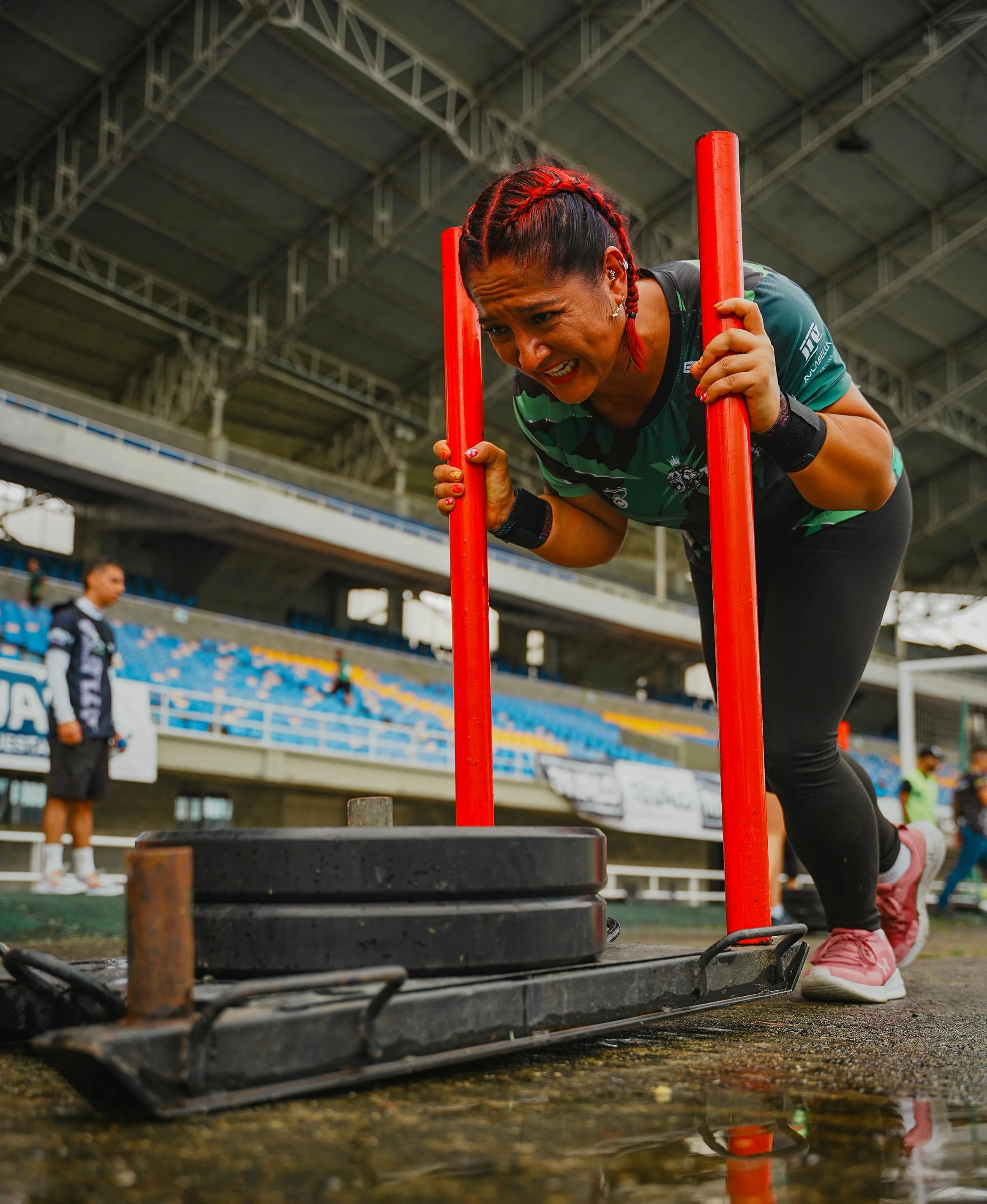
I see therapy as a kind of training ground where you develop skills and confidence to use against the challenge in front of you. In therapy I might be a coach who is pushing you, a teammate who is supporting and collaborating with you, a referee who is calling you on your [BS]. Together, we work toward clarity, self trust, and a healthier connection to competition and purpose.
Sessions are collaborative, active, and honest. We take the work seriously without always making it heavy. There’s room for depth alongside reflection, and laughter.
Modalities I Use
-
Explores how early relationships and experiences shaped your identity and drive. Helps untangle self worth from performance.
-
Identifies unhelpful thought patterns around failure, pressure, and control to reduce anxiety and constant self questioning.
-
Focuses on who you are beyond results to support transitions, retirement, and next chapters.
-
Looks at how you connect with others and yourself; builds confidence and authenticity inside and outside sport.
Therapy gives you the space to look at your relationship with sport and yourself.

After Therapy, My Clients Report
Less performance anxiety
Reduced self doubt
Clearer identity
Confidence returns
Renewed motivation
More enjoyment in sport
Clear next steps
About
Doug Sweaney Herrick, LMHC
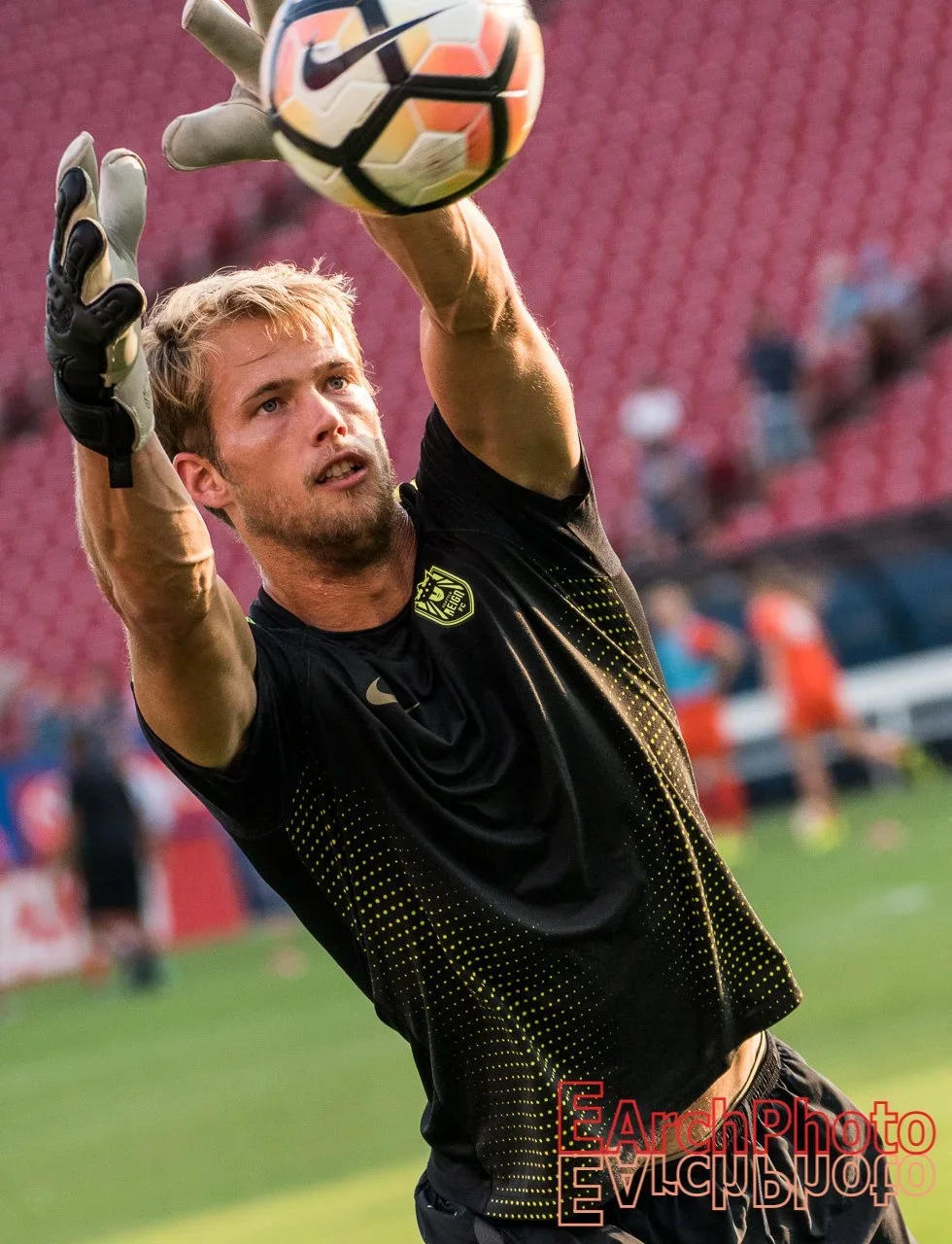
My therapy is designed for people whose identities are shaped by performance, competition, and meaning.
I blend depth-oriented work with practical tools so we can understand both where patterns come from and how to shift them.
I bring energy, curiosity, and collaboration into the room. We will think together, challenge assumptions, and make space to laugh. Much of what we explore is about identity, competition, shame, or how to live on your own terms again.
Athletics have been a formative part of my life. I played soccer through college and professionally, and I continue to coach. Sport has been a place of belonging, discipline, stress, and growth for me, which deeply informs how I work with athletes and high performing individuals.
Outside of therapy—I’m a soccer coach, runner, and backpacker. I live in Seattle with my spouse and our corgi, Boris and cat, Misty.
Availability: I provide in-person appointments in Seattle, and Telehealth sessions for clients in Washington and Florida.
Education, Credentials, & Trainings
M.A. in Counseling Psychology, The Seattle School
Licensed Mental Health Counselor, Washington (MHC.LH.61424860)
B.A. in Biology, St. Mary’s College of California
Minor in Theology and Religious Studies
Trauma Focused Cognitive Behavioral Therapy training
PACT Level One Couples Therapy training
Former clinician at Atlantic Street Center
Consultant for mental health research and curriculum development for athletes
Co-owner—The Whole Athlete
3 Steps To Get Started
-
Fill out the contact form. If I’m not the right fit, I’ll help connect you with someone who is.
-
We’ll have a short call to see if working together feels right and talk through next steps.
-
We’ll start unpacking your relationship with sport, identity, and what you want moving forward.